
SEO: A Busy Shop with No Buyers
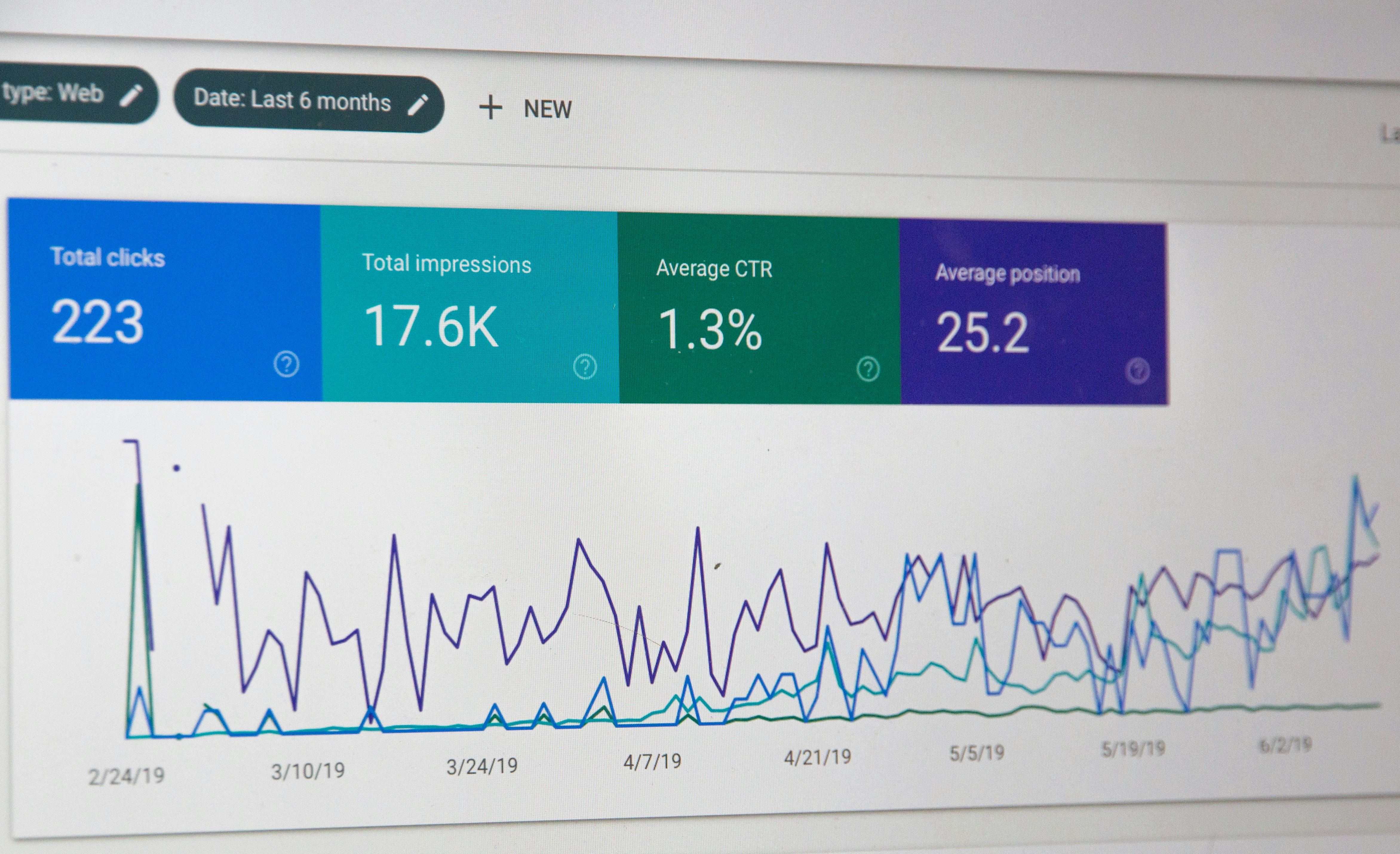
You’ve done everything right for your business: optimised your website, published content, and started ranking on Google. You’re getting traffic from Google… but no one is buying your products. Sound familiar?
The truth is SEO isn’t just about getting people to your site; it’s about getting the right people, at the right time, and guiding them towards a decision. In this blog, we will dive into why your SEO traffic isn’t converting; more importantly, how to convert those visitors into actual buyers.
The Core Problem
Most businesses tend to only focus on the ranking aspect of SEO, that is how many clicks they’re attracting or how many impressions they get. They often overlook a critical element: how valuable each bit of traffic they get is. Search traffic mainly comes from users who are looking for information or solutions, not for purchases.
This shows a disconnect. Your content might inform users of what they’re looking for, but it does not encourage any of them to make a decision on your site. Whether a user’s intent is to look for information, or to make a purchase, your page needs to match that intent exactly. Otherwise, the users will leave, no matter how highly ranked the traffic your site gets is. The better you can formulate a site that creates a sense of trust in the users, the more likely a purchase is made.
To fix this, you need to stop thinking of SEO as just a way to attract visitors, and start treating it as a system that guides users from search to purchase. These are the common mistakes that can be addressed.
Mistake #1: Targeting Wrong Keywords
Not all keywords are equal. Some bring in people who are just looking for information, while others attract those who are ready to take any action. If your content focuses heavily on broad informational keywords, you can easily gain traffic, but not sales.
- “What is SEO?”: Likely a beginner trying to understand the concept.
- “SEO tools for small businesses”: Much stronger buying intent.
To fix this, you need to shift your keyword strategy toward transactional and commercial intent.Keywords such as: “best”, “pricing”, “review”, or “services” are much more likely to attract users who would like to make a purchase.
By targeting the right keywords, you’re not just increasing traffic, but also attracting the right visitors who want to convert to buyers.
Mistake #2: Ignoring Search Intent
Every time someone searches on Google, they have a specific expectation. They might want a list, comparisons, reviews, tutorials, products, … you need to ensure your page delivers exactly what they want, or they’ll most likely leave immediately.
A user may search up “best security systems under $50” expecting to be returned a full list of products with pricing, reviews, … If they land on a generic article explaining how laptops work, it does not matter how well written it is, their intent is not satisfied.
This mismatch is one of the most common killers of conversions. You might get a lot of clicks, but users log off because the page doesn’t provide them with what they need. To fix this, analyse the search results before creating content and structure your content to match.
- Step 1: Search your target keyword on Google.
- Step 2: Identify what users expect.
- Step 3: Match the content format
- Lists → ranked or curated lists.
- Comparisons → side-by-side analysis.
- Product/service pages → highlight benefits, pricing, and features.
- Step 4: Improve your content
Mistake #3: No Trust or A Clear Path To Buy

Now that you have attracted the right buyers, it’s time for your page to build trust with your customers.
Many SEO-focused pages provide great information, but that is where it stops. A user may read, scroll, but are not inspired to take action.
One major issue is the absence of trust signals. When a user lands on a page, they’re subconsciously asking: “Can I trust this?”. If there are no reviews, testimonials, or proof of results, hesitation kicks in which naturally kills conversions. At the same time, many pages lack direction. Even if users are interested, they don’t know what to do if there is no clear path to the next step. To fix this, your page needs to build confidence and guide action.
- Add trust signals
- Include customer reviews, testimonials, case studies, or real results.
- Show credibility
- Add experience, expertise, or recognised brands that you have worked with.
- Include a clear call-to-action
- Tell users exactly what to do next: “Buy now”, “Get started”, or “Request a Quote”. Be sure to make this step accessible and easy to click.
- Reinforce the decision
- Use guarantees, risk-free offers, or limited time incentives to encourage action.
Key Takeaways
SEO is not just about bringing people to your website, but also about bringing the right people who want to make the right decision. If your traffic isn’t converting, the problem boils down to three main areas:
- You’re targeting the wrong keywords
- Your content doesn’t match search intent
- Your page doesn’t build trust or guide action
Improving conversions isn’t about one big change, it’s about tweaking your entire strategy step-by-step to align with how your customers search and make decisions. When you get that alignment right, traffic stops just being a number and starts becoming real revenue.