
What We Should Be Ready for with Artificial Intelligence
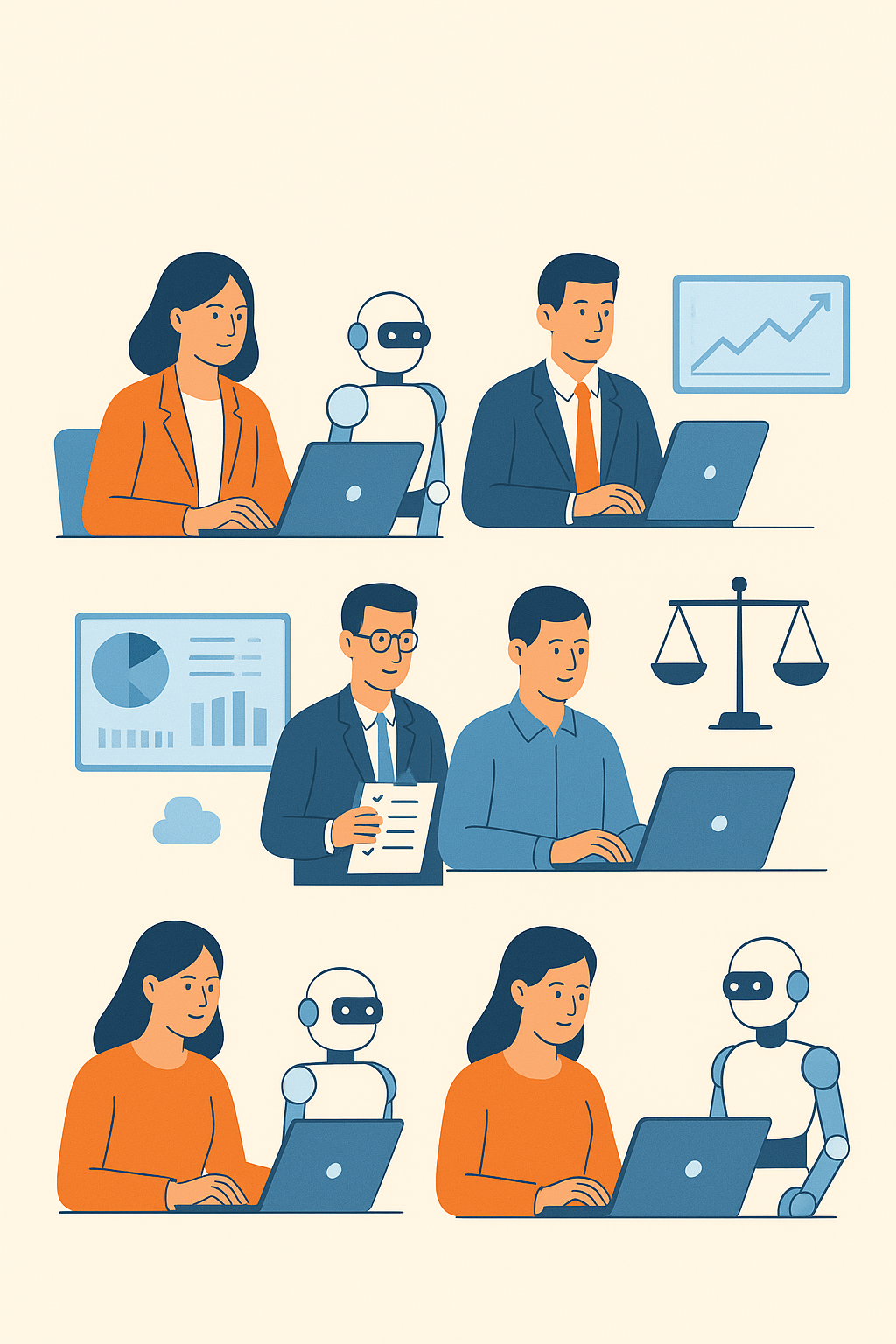
Artificial Intelligence (AI) is no longer a distant concept; it is actively reshaping the way individuals, organizations, and industries operate. From automating repetitive tasks to enabling data-driven decisions, AI is driving a new era of efficiency and innovation. However, its rapid growth also brings new responsibilities and challenges. The essential question today is not what AI can do, but what we must be prepared for as it continues to evolve.
1. The Changing Nature of Work
AI is transforming the modern workplace by automating many routine and analytical processes. This evolution allows professionals to focus more on strategic thinking, creativity, and human interaction. However, it also demands continuous adaptation and skill development.
Organizations and individuals must embrace lifelong learning to remain competitive. Building digital literacy, analytical thinking, and adaptability will be essential to work effectively alongside AI systems.
2. Data as the Foundation
AI systems rely heavily on the quality and availability of data. Accurate, well-organized, and ethically managed data is crucial for effective AI performance. Companies that cultivate a data-first culture—where data is collected, governed, and utilized responsibly—will be better positioned to benefit from AI-driven insights.
Before deploying AI technologies, businesses should ensure their data infrastructure is secure, standardized, and compliant with privacy regulations.
3. Ethics and Responsibility in AI Use
The adoption of AI raises significant ethical considerations, including fairness, transparency, and accountability. As AI influences more aspects of business and society, it is imperative that organizations establish clear policies to guide its responsible use.
This includes regular audits of algorithms, ensuring transparency in automated decisions, and maintaining human oversight in critical processes. Responsible AI practices are not only an ethical obligation but also essential to maintaining trust among customers and stakeholders.
4. The Evolution of Cybersecurity
AI plays a growing role in cybersecurity, both as a defensive tool and as a potential threat. While AI can detect and respond to attacks faster than traditional methods, cybercriminals are also leveraging AI to create more sophisticated and targeted threats.
Organizations must invest in AI-enhanced security solutions and ensure their teams are trained to recognize and respond to emerging risks. A proactive cybersecurity strategy is fundamental to operating safely in the age of AI.
5. The Human Element Remains Central
While AI will continue to transform how we work, it will not replace the human element. Instead, success will depend on the ability to integrate human judgment, creativity, and empathy with the efficiency and precision of AI.
Those who learn to use AI as a tool for enhancement, rather than viewing it as competition, will be best positioned to thrive in the changing landscape.
Conclusion
Artificial Intelligence presents both remarkable opportunities and significant responsibilities. Preparing for this transformation requires more than adopting new technologies—it demands a shift in mindset, governance, and skill development. By investing in digital readiness, ethical standards, and robust cybersecurity, individuals and organizations can ensure they are not only ready for AI but positioned to lead in the intelligent future it is creating.
As AI continues to shape the future of work, businesses need secure systems, strong data practices, and reliable IT foundations to stay ahead. If your organisation needs expert support with technology planning, cybersecurity, infrastructure management, or digital transformation, MCG Computer has specialists ready to help. Our team can guide you in building the right IT environment to stay competitive and fully prepared for the intelligent future ahead.